
What AI Can't Cover For You
frontier work, taste, and creativity

As AI keeps getting smarter, I’ve felt less and less need to learn, or even read what it generates for me. What’s the point of learning something AI has already absorbed, or will absorb soon? Lately, I just skim the code, test that it works, and ship it.
This worked well enough. Until I branched into AI research and design.

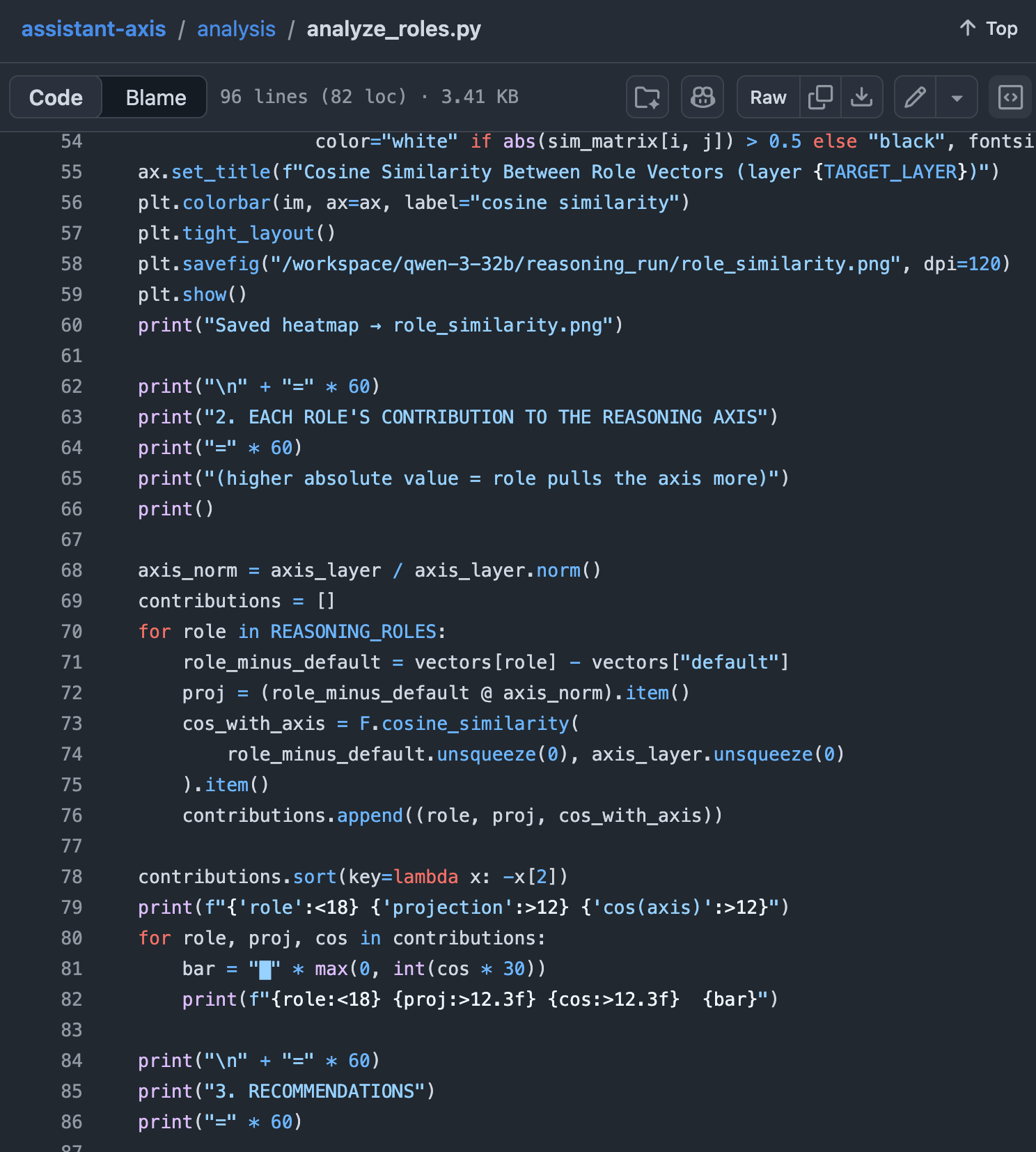
In research, our mentor insisted — annoyingly — that we understand every line of our code and explain it back to her. She even told us to watch a full interpretability course. So old school!
I asked her why. “You’re working on the frontier,” she said. “You need frontier knowledge and a bulletproof understanding to defend your code. Trust me. Try it, even if you don’t believe me yet.”
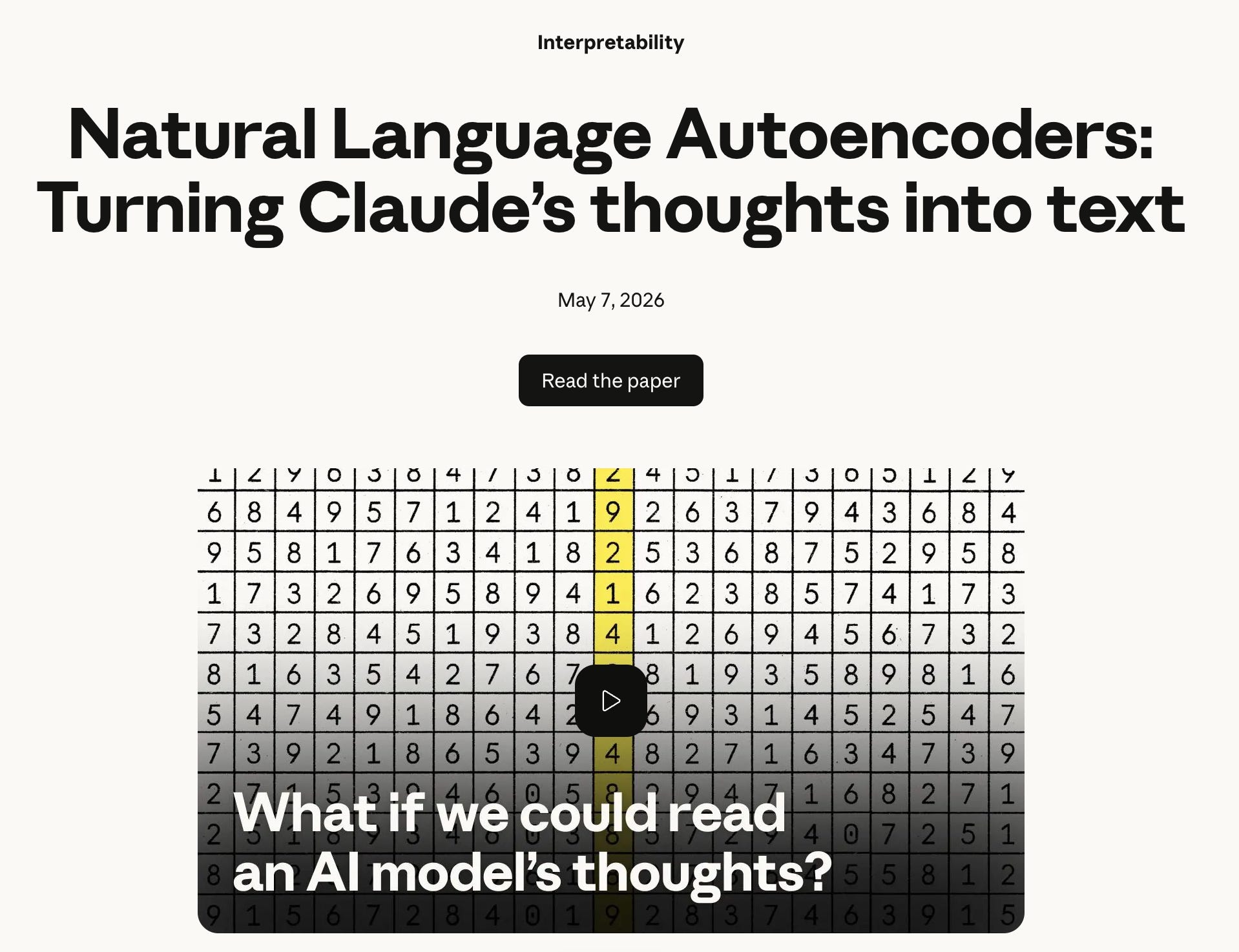
I’ve come around. As much as standard software engineering can be automated, frontier work isn’t covered yet — almost by definition. Take the natural language autoencoder method Anthropic introduced today, a way to read Claude’s activations as human-readable text. A genuinely novel method, the kind AI can’t produce well without a knowledgeable human in the loop.
“Trust me. Try this even if you don’t believe.” she said.
I kinda agree with her. As much as all the software engineering work can be mostly automated by ai, the new field isn’t covered. For instance, the natural language autoencoders methods anthropic introduce today to see how claude think during their activation stage. A novel method that ai cannot perform well without a knowledgable human in the loop.

Design turned out to be the same story. Claude is a strong designer, but what I get from it still falls short of what my designer friend pulls out of the same model. He knows the right terminology, the right direction to steer it. I’m constrained by the little I know.
I just don’t have his taste.
The funny thing is, when I look at how other engineers on my team use AI for product design, my output is clearly better — even though we’re using the exact same model.
“Teach me your secrets. How do you make good design with AI?” I asked him, again, the last time we met.
“Look at more design. Go to more museums. Practice. Make more things. You can’t skip this part.”


“In art school, we made a new form of art every week,” he said. “Taste has to be built intentionally. Intentionally.“
What I’m slowly learning is that every blocker in my current life traces back to fundamentals I haven’t been patient enough to cultivate. Fundamentals are dull, simple, repetitive, often mediocre on the way through — exactly the textures we’ve stopped tolerating in the AI era.
But every piece of great work I’ve seen so far — in research, in product, in design — goes beyond prompting. The novelty, the instinct, the creativity, all of it comes from a solid foundation. That’s what lets you push AI somewhere other people can’t.
I will go to nyc design museum tmr :)